
Confluence PE Prep
Environmental PE exam resources
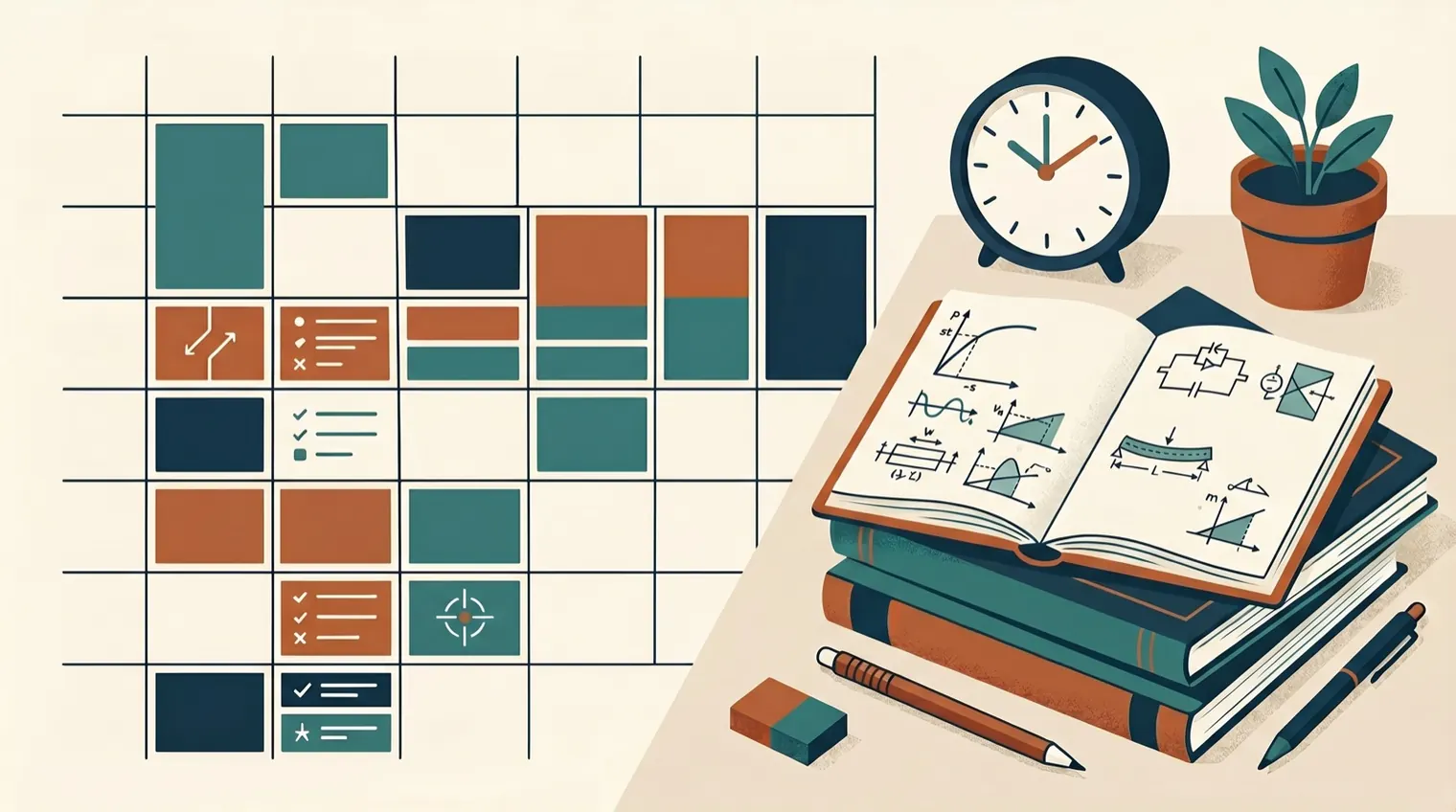
Most candidates plan 100 to 200 hours for the Environmental PE, usually over two to four months. Engineers who already work in the exam's subject areas can prepare in well under 100 hours by focusing on the highest-weight topics and timed practice instead of reading everything. Your background sets the number more than any rule of thumb.
I passed the Environmental PE on the first attempt in under 80 hours of focused study. I want to be precise about why, because the number is useful only with context.
Three things made that possible, and only one of them is repeatable for everyone:
If the last time you touched air dispersion or hazardous waste regulations was in school, you will need more time, and that is normal. Treat the under-80 number as proof that focused hours beat raw volume, not as a quota to hit.
Start from your honest relationship with the material, then adjust. The bands below are practical starting points, not guarantees.
| Where you are | Typical hours | What the hours buy |
|---|---|---|
| Work in the field daily Water, wastewater, air, or waste practice | 60–100 | Exam format, the handbook, and shoring up weaker areas |
| Some exposure, a few years out | 100–150 | Refreshing concepts plus heavy timed practice |
| Limited exposure or a long gap | 150–200+ | Relearning core concepts across most areas |
| Bands are practitioner estimates, not published NCEES figures. Adjust for your own areas of strength and weakness. | ||
At 8 to 12 hours per week, a 100 to 150 hour plan fits in about three months and still leaves room for full-length practice at the end.
Total hours matter less than where you put them. Two ideas do most of the work.
The slow approach reads a large reference manual front to back, gives every topic equal time, and saves practice questions for the last week. The efficient approach does the opposite: weight hours toward the highest-count areas, work problems from day one, and use full-length timed sets at the end to build speed.
The single biggest lever is weighting your time by how many questions each area carries. Water can be more than a third of the exam, so it earns the most hours. The smaller areas get proportionally less. For the full breakdown, see what's on the 2026 Environmental PE exam.
Do not skip the new Sustainability area because it is small. With only 7 to 11 questions and almost no legacy material covering it, a few focused hours there can be worth more per hour than a fifth pass through water treatment. See the Sustainability section guide.
Hours are an input. A schedule that allocates them by exam weight is what passes. The free study plan lays out section priorities and a week-by-week structure you can drop your own hours into.
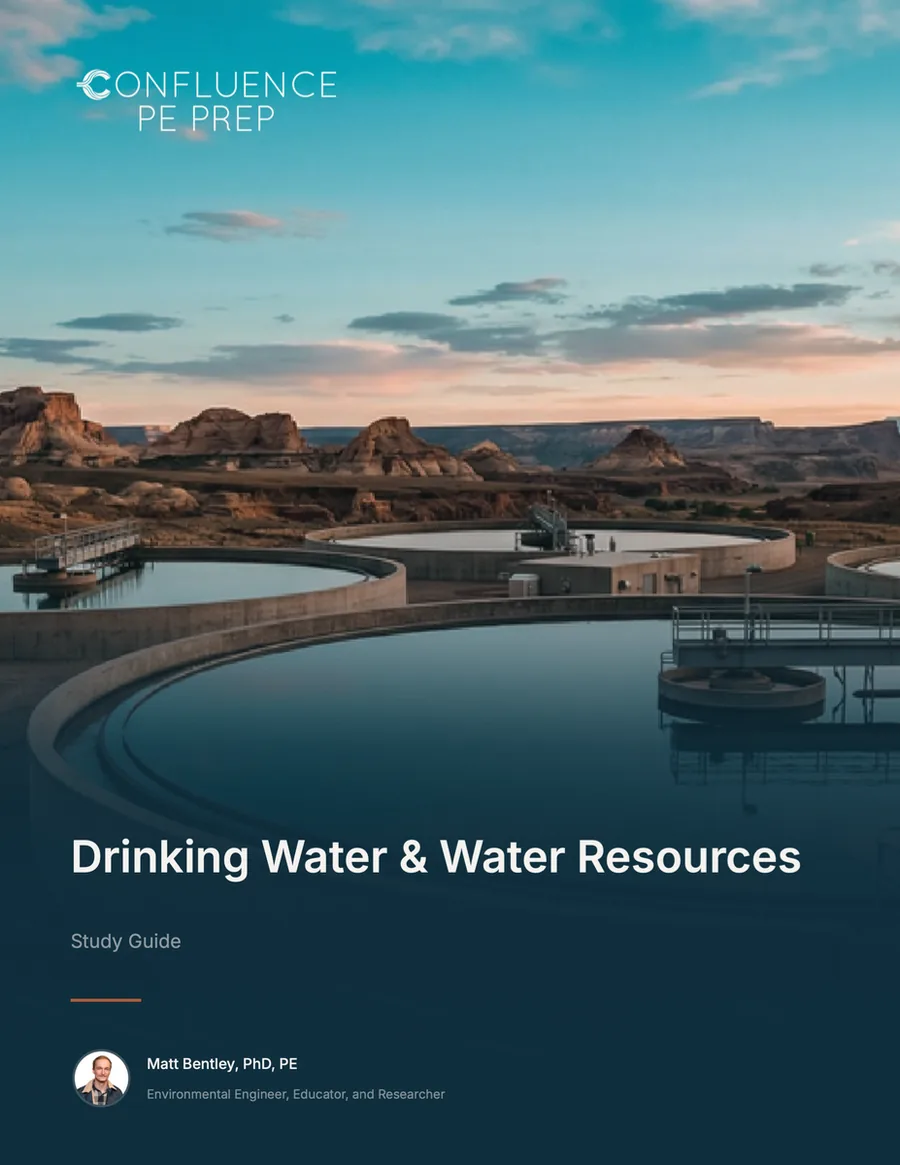
The exam's largest section in 38 focused pages: formulas, worked examples, and a regulatory quick reference, so your highest-weight hours go furthest.
Most candidates plan 100 to 200 hours over two to four months. If you work in the exam's subject areas, you can often prepare in under 100 hours by focusing on the highest-weight topics and timed practice.
Yes. I did, on the first attempt. That number came from a relevant engineering background and a plan built around the most-tested material. Candidates further from the content should plan for more time.
Two to four months works for most people. At 8 to 12 hours per week, a 100 to 150 hour plan fits in roughly three months with time left for full-length practice.
It does. Engineers who use water, air, or waste concepts at work spend their hours on format and weak spots rather than relearning fundamentals, which is the main reason study times vary so widely.
Weight them by question count. Water is the largest area and earns the most time. Reserve the final weeks for full-length timed practice so you are comfortable with the closed-book pace. The exam breakdown shows the weights.